Blepharoplasty, commonly known as eyelid surgery, is a cosmetic procedure aimed at enhancing the appearance of the eyelids. Understanding the recovery timeline is crucial for patients to manage their expectations and prepare for the healing process. This article will provide a comprehensive overview of what to expect during the recovery period, including the stages of healing, common symptoms, and tips for a smooth recovery. Many individuals may feel anxious about the downtime and potential side effects associated with eyelid surgery. However, with proper care and guidance, patients can navigate their recovery effectively. We will explore the typical recovery milestones, the progression of swelling and bruising, and the importance of follow-up care. Consulting with experienced San Francisco plastic surgeons can provide valuable insights into recovery expectations and ensure you receive the proper guidance for a safe and smooth healing process.
How Long Does Blepharoplasty Recovery Take? Understanding the Healing Stages
The recovery from blepharoplasty typically spans several weeks, with most patients experiencing significant improvement within 1 to 2 weeks. The healing process can be broken down into distinct stages, each characterized by specific symptoms and milestones. Initially, patients may experience swelling, bruising, and discomfort, which gradually subside as the body heals. Factors such as individual health, the extent of the surgery, and adherence to post-operative care can influence recovery duration.
Further research highlights various patient-specific and lifestyle factors that can significantly impact the duration and quality of the blepharoplasty recovery period.
Factors Affecting Blepharoplasty Recovery & Wound Healing
Blepharoplasty is a surgical procedure aimed at restoring the functionality and/or aesthetics of the eyelids. The aim of the study is to draw attention to the factors influencing the recovery period at successive stages of therapeutic procedures. In patients with hypertension, diabetes, smoking, and anticoagulant treatment, a worse scar assessment, longer recovery period and more complications have been observed. Nutrition status has a significant impact on wound healing and tissue repair after aesthetic medicine procedures. Postoperative wound care is essential
Factors influencing the length of the recovery period after blepharoplasty: a review of the latest data, 2024
For personalized guidance, consulting with a qualified surgeon like Expert Plastic Surgeon, Dr. Javaheri can provide valuable insights into the recovery timeline tailored to individual needs.
What Are the Typical Day-by-Day Recovery Milestones After Eyelid Surgery?
Understanding the day-by-day recovery milestones can help patients anticipate their healing journey. Below is a systematic comparison of recovery milestones:
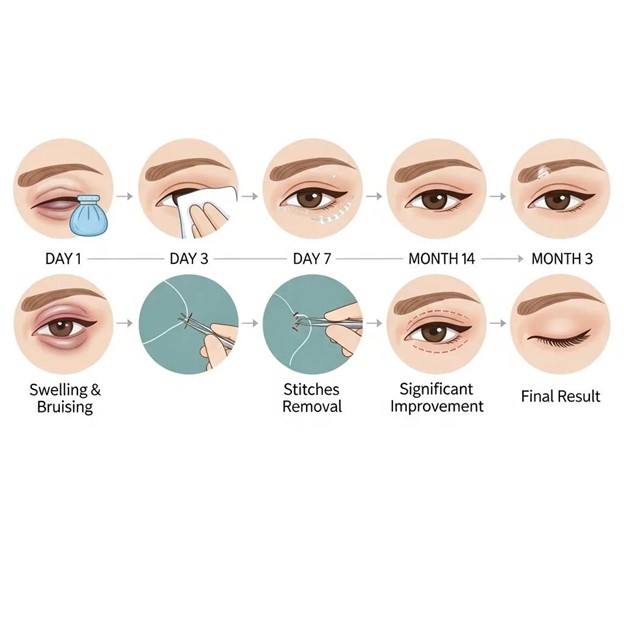
This timeline provides a general framework, but individual experiences may vary.
How Does Swelling and Bruising Progress During the Recovery Period?
Swelling and bruising are common after blepharoplasty, and their progression can vary among patients. Initially, swelling is most pronounced within the first 48 hours post-surgery, often accompanied by bruising. As the days progress, swelling typically peaks around the third day before gradually subsiding. By the end of the first week, most patients notice a significant reduction in both swelling and bruising.
Managing these symptoms effectively is crucial for a comfortable recovery. Patients are encouraged to follow their surgeon’s post-operative care instructions, which may include cold compresses and prescribed medications. Consulting experienced San Francisco plastic surgeons can also help patients better understand how to manage swelling and bruising while ensuring a smoother, more predictable recovery.
Additional medical insights provide further guidance on effectively managing common post-operative symptoms like swelling and bruising.
Managing Post-Blepharoplasty Edema & Bruising
from postoperative edema or ecchymosis. This should resolve with conservative treatment, Persistent edema can be treated with oral diuretics with potassium replacement (Lasix, 40
Blepharoplasty complications, GJ Lelli Jr, 2010
What Are Common Side Effects and How Can You Manage Post-Blepharoplasty Symptoms?
Post-blepharoplasty, patients may experience several common side effects, including:
- Dry Eyes: Temporary dryness can occur; using artificial tears can help alleviate discomfort.
- Itching or Irritation: Mild itching is normal; avoid rubbing the eyes to prevent complications.
- Sensitivity to Light: Wearing sunglasses outdoors can protect sensitive eyes during recovery.
These side effects are generally manageable with proper care and adherence to post-operative instructions.
How to Reduce Swelling and Bruising Effectively After Eyelid Lift
To minimize swelling and bruising after eyelid surgery, consider the following strategies:
- Cold Compresses: Applying cold packs to the eyes for the first 48 hours can significantly reduce swelling.
- Head Elevation: Keeping the head elevated while resting can help decrease swelling.
- Hydration: Staying well-hydrated supports overall healing and can reduce swelling.
Implementing these methods can enhance comfort and promote a smoother recovery.
Evidence-based studies further support the efficacy of specific post-operative management techniques, particularly the use of cooling, in enhancing recovery.
Evidence-Based Post-Blepharoplasty Management & Cooling
The aim of this review is to determine the current evidence base for routine postblepharoplasty management. Our review found some evidence for postoperative cooling and preincision antisepsis to be effective. This review highlights the need for higher-quality studies to improve the evidence base for routine postoperative management.
Routine postoperative management of blepharoplasty: a review of current evidence-based practice, M Malik, 2021
What Pain Levels Are Normal and Which Medications Help Manage Discomfort?
Pain levels after blepharoplasty can vary, but most patients report mild to moderate discomfort. This discomfort is typically manageable with over-the-counter pain relievers or medications prescribed by the surgeon. It is essential to follow the recommended dosage and consult the surgeon if pain persists or worsens.
Understanding what to expect in terms of pain can help patients prepare mentally for their recovery journey.
When Can You Return to Normal Activities? Eyelid Lift Downtime and Follow-Up Care
Returning to normal activities after blepharoplasty requires careful consideration of the healing process. Most patients can resume light activities within a week, while more strenuous activities should be avoided for at least 2-4 weeks. Follow-up care is crucial during this period, as it allows the surgeon to monitor healing and address any concerns.
Patients should schedule follow-up visits as recommended to ensure optimal recovery and results.
What Is the Recommended Timeline for Resuming Work and Exercise?
The timeline for resuming work and exercise varies based on individual recovery. Generally, patients can return to non-strenuous work within 7-10 days. However, those with physically demanding jobs may need to wait longer. Light exercise can typically be resumed after two weeks, while more intense workouts should be postponed for at least four weeks.
Listening to your body and consulting with experienced san francisco plastic surgeons can help determine the best timeline for resuming activities.
How Important Are Follow-Up Visits and What Do They Involve?
Follow-up visits are essential for monitoring recovery and ensuring that healing is progressing as expected. During these appointments, the surgeon will assess the surgical site, remove stitches if necessary, and address any concerns the patient may have.
Patients should prioritize these visits to facilitate a smooth recovery and achieve the best possible results.
How Does Asian Eyelid Surgery Recovery Differ? Specialized Healing Considerations
Asian eyelid surgery, or double eyelid surgery, may involve unique recovery considerations due to anatomical differences. The healing process can be similar to traditional blepharoplasty, but patients may experience different swelling patterns and healing timelines.
Understanding these differences is crucial for patients undergoing this specialized procedure, as it can impact their recovery expectations.
What Unique Recovery Stages Are Associated with Asian Blepharoplasty?
The recovery stages for Asian blepharoplasty may include:
- Initial Swelling: Swelling may be more pronounced due to the unique anatomy of the eyelids.
- Bruising: Bruising may take longer to resolve, requiring patience during the healing process.
- Final Results: The final aesthetic results may take longer to manifest, often around 3-6 months post-surgery.
These stages highlight the importance of tailored post-operative care for Asian patients.
How Does Postoperative Care Adapt to Asian Eyelid Anatomy?
Postoperative care for Asian eyelid surgery should consider the specific anatomical features of the eyelids. Surgeons may recommend specialized techniques for managing swelling and ensuring optimal healing.
Patients are encouraged to follow their surgeon’s tailored instructions to achieve the best results and minimize complications. Consulting a skilled body contouring surgeon can also provide broader insight into how different procedures are approached with precision and personalization across facial and body aesthetics.
To further assist in your recovery and explore options like face procedures, consider scheduling an online consultation.